Context before recommendations
Understand your learners, community relationships and institutional priorities before designing change.

CONSIDERED PRACTICE. INCLUSIVE POSSIBILITIES.
Learning with purpose.
Progress with people.
Academic consulting informed by curriculum development, academic governance and Indigenous education work in Canada.
Explore our perspective ↓OUR CANADA PERSPECTIVE
Academic practice starts with the people it serves.
Learners bring different experiences, cultures and ways of knowing. Strong programmes make room for that diversity while keeping learning outcomes, assessment and academic standards connected.
Elevate Academia’s Canadian perspective is informed by Pavi Dhamija’s work with First Nations educational institutions, academic quality and curriculum development. We bring that practical understanding to conversations about inclusive learning, programme quality and institutional capability.
Understand your learners, community relationships and institutional priorities before designing change.
Review how curriculum, assessment and teaching recognise different identities and ways of knowing.
Connect programme review, assessment practice and academic governance through clear frameworks.
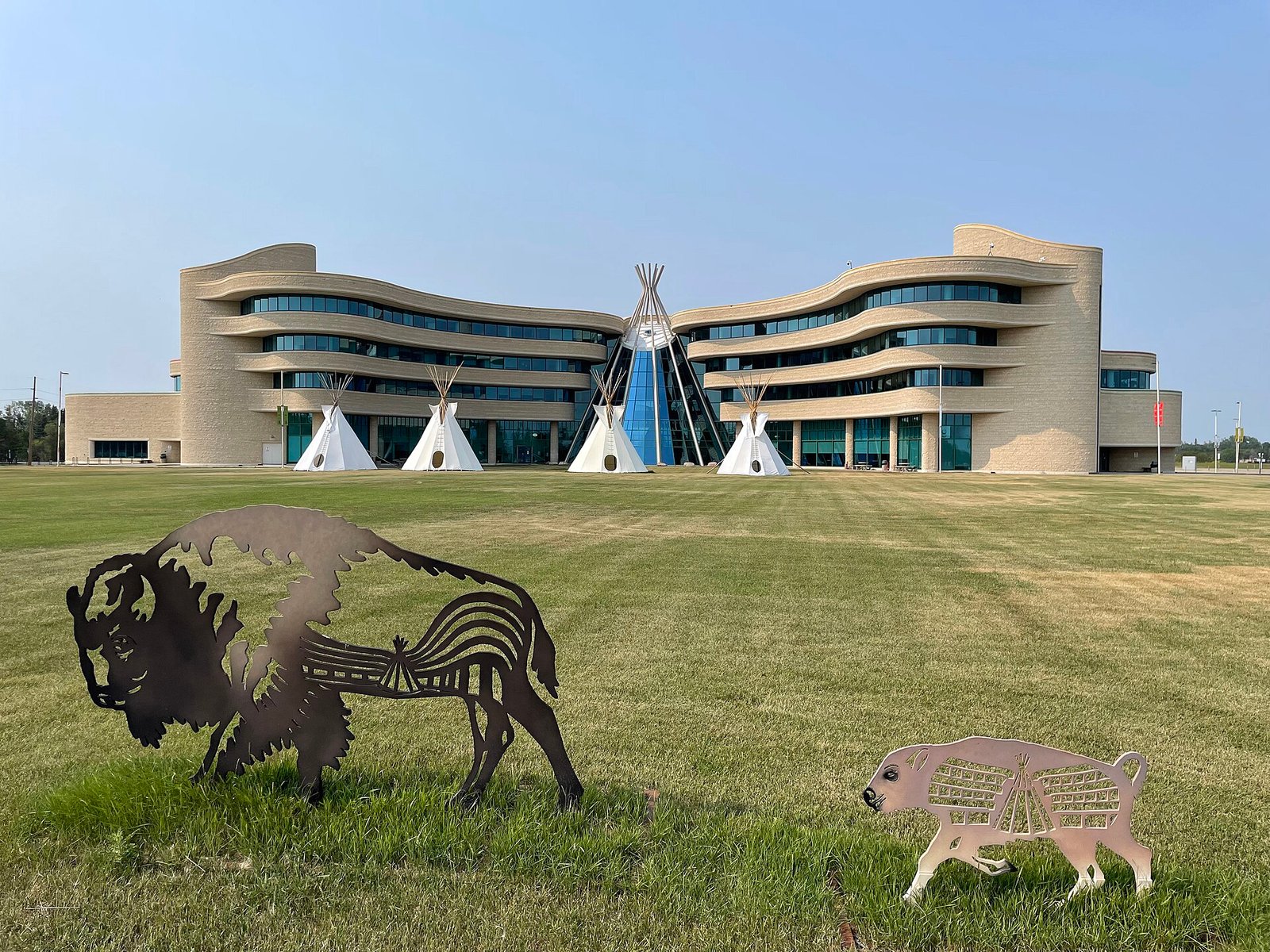
INDIGENOUS PERSPECTIVES IN EDUCATION
Teaching informed by Indigenous values, practices and worldviews.
Pavi’s teaching practice in Canada draws on experience with First Nations educational institutions. She works to embed cultural perspectives and Indigenous worldviews in curriculum, teaching and assessment, recognising relationships, community knowledge and learners’ identities as part of meaningful education.
That practice begins with listening to the communities an institution serves and respecting the knowledge and priorities they bring. Respectful collaboration makes room for the distinct knowledge, values and worldviews of each community.
Discuss inclusive academic practiceINTERNATIONAL EXPERIENCE. INDIVIDUAL UNDERSTANDING.
Perspective travels.
Understanding starts here.
Pavi Dhamija brings over 15 years of experience in the tertiary education sector across New Zealand, Canada and India, including work with First Nations educational institutions and Indigenous Māori education. Her work connects curriculum and programme development, assessment and moderation, academic quality, governance and educator development, informed by experience with New Zealand Qualifications Authority (NZQA) requirements and other accreditation authorities. She helps academic teams translate standards into inclusive learning experiences and practical, sustainable improvement.
HOW WE CAN HELP
Engagements shaped around your institution, your people and the academic practice you want to strengthen.
Design and review programmes that connect learning outcomes, assessment and the needs of learners.
Strengthen culturally responsive curriculum and teaching through thoughtful, context-led development.
Review academic policy, programme quality and governance practices to identify clear priorities.
ONE CONSIDERED APPROACH
Adapted to your context.
Designed for lasting progress.
IN PURSUIT OF EXCELLENCE
Make room for different perspectives.
Build a stronger learning experience.
LET’S START A CONVERSATION
Tell us about your institution and your priorities.
We’ll begin by understanding your context.
AN INTERNATIONAL PERSPECTIVE
Experience across countries brings perspective. Understanding your institution makes that perspective useful.